
Why AI Can’t Perfectly Read Your Plate And Why That’s Still Okay
AI won't get every ingredient right — but it gets you started, and that head start changes everything.
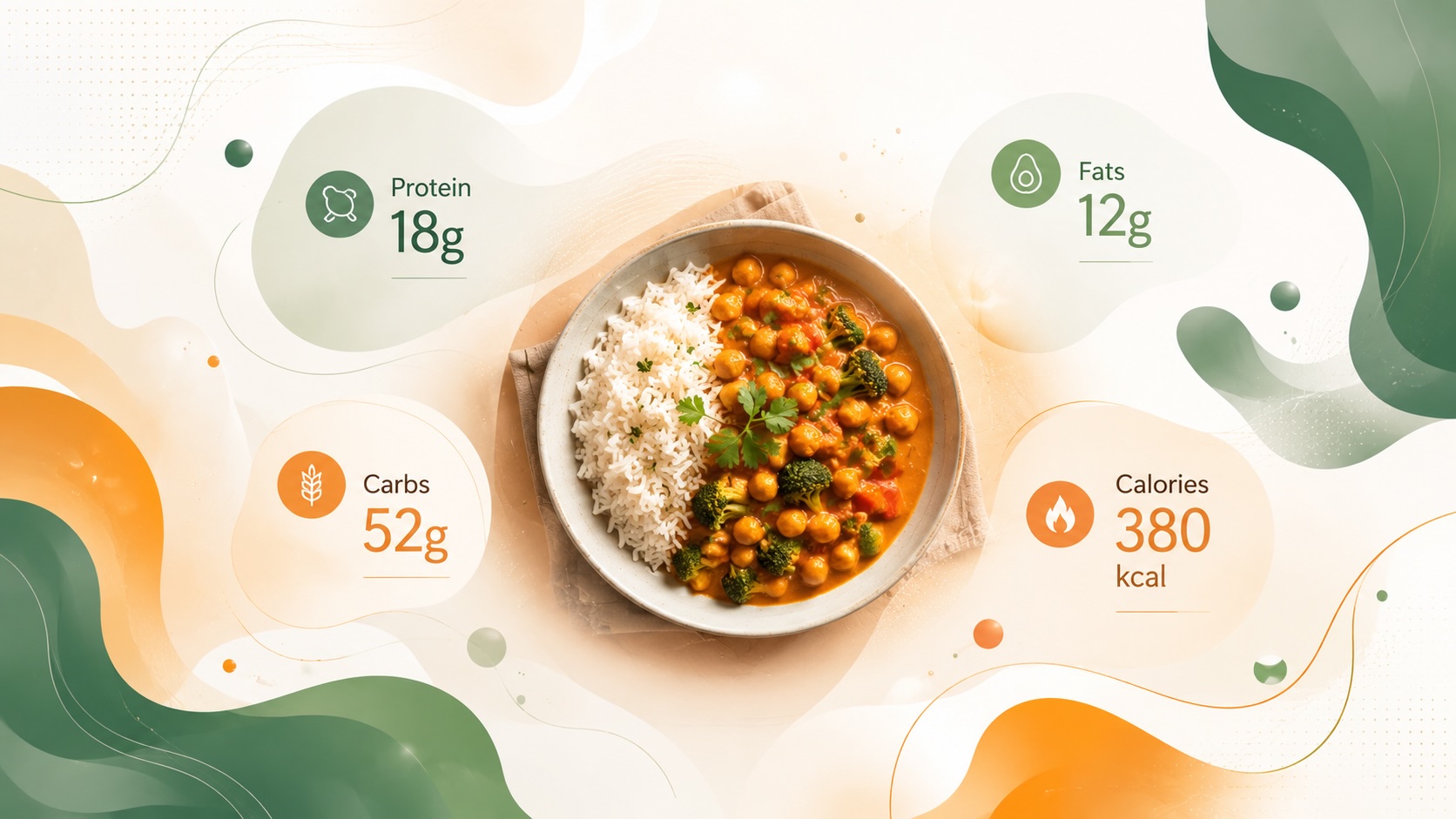
If you’ve ever looked at an AI calorie estimate for your sambar–rice or paneer curry and thought, “This cannot be right,” you’re not alone. Image-based nutrition will never be perfect, but it can still be incredibly useful when we treat it as a smart assistant, not an all-knowing judge.
Why photos alone are tricky
A photo cannot reliably tell if a curry was cooked in ghee or refined oil, how much oil stayed in the gravy, or how deep the bowl actually is. Mixed dishes and regional recipes make things even harder—many studies show that AI struggles more with curries, thalis, and culturally diverse foods than with simple, single-item meals. Even with advanced models, calorie estimates from images often carry an error margin (around 10–20 percent in research settings), especially when portion sizes and ingredients are not clearly visible. Nutrilogy is transparent about this too: its image recognition is around 90 percent accurate for common foods, but portion size estimates “may not be precise,” and users are encouraged to manually verify results.
What AI is genuinely good at
Where AI shines is speed and convenience. Modern models can analyze a meal photo in seconds and provide an instant breakdown of calories, macros, and sometimes even key micronutrients. That means no more endless scrolling through food databases or manually entering every roti, sabzi, and chutney from memory after a long day. Tools like Nutrilogy let you snap a meal, get a ready-made analysis, and log it directly into your daily dashboard—far faster than traditional logging and with much less mental friction.
Relative scoring: why “good enough” matters
Because of all the unknowns in a photo—ghee vs oil, homemade vs restaurant, shallow vs deep bowl—absolute numbers for any single meal will never be perfect. But if you use the same AI system consistently, the imperfections tend to be systematic: it might misread similar meals in similar ways, which still makes trends meaningful over time. That’s where “relative scoring” becomes powerful—yesterday vs today, weekdays vs weekends, restaurant meals vs home-cooked meals, or your food choices before and after a lifestyle change. Even if the curry is off by some calories, you can still see that days with more vegetables and fewer fried items score better, and that pattern is what actually changes your health.
How Nutrilogy uses AI thoughtfully
Nutrilogy is built around this idea of “AI as a coach, you as the captain.” Its AI meal recognition identifies foods from a photo and estimates calories, macros, fiber, and key vitamins within seconds, so you get instant feedback on how the meal aligns with your goals. At the same time, Nutrilogy does not pretend the model is perfect: its own terms highlight that image estimates are approximate and should be checked and adjusted by the user when needed. To support that, the app also lets you search from a large food database and log meals manually, so AI is the starting point—not the final truth—for your nutrition log.
AI plus you: a practical partnership
Research shows that AI-based food trackers reduce the burden of logging and improve consistency—two of the biggest predictors of long-term success with nutrition tracking. Apps that use more AI for photo recognition tend to be easier to use and more complete in their logs, even if their automatic calorie estimates are not perfectly accurate on every single dish. In practice, that means AI can quickly identify “this looks like rice + dal + sabzi,” and then you can step in to tweak the portion, swap ghee for oil, or adjust for a thinner gravy before saving the entry. You’re effectively combining the best parts of automation (speed, objectivity, pattern tracking) with your real-world knowledge of how the food was cooked.
Getting the best out of AI meal photos
You don’t need to chase perfection to get value, but a few simple habits can make AI estimates more useful. Clear, well-lit photos, with foods separated on the plate rather than piled up, help the model detect items more accurately and estimate portions better. When you know something is different—extra ghee, double cheese, oversized serving—taking 10 seconds to adjust the portion or swap the item manualy in the log will keep your data closer to reality. Over time, you’ll build a consistent record of your eating patterns that matters far more than whether any single meal was off by a few grams of fat or carbs.
Why it’s still worth using apps like Nutrilogy
No AI system today can fully “see” your plate the way a human who cooked the meal can, and that’s okay. The real value is in lowering the effort of tracking, making you more aware of what you eat, and giving you helpful, relative feedback so you can make better decisions over weeks and months, not obsess over one bowl of curry. When you use Nutrilogy, think of the AI as a fast, reliable starting point and yourself as the expert editor—together, you get close enough to reality to change your habits, which is ultimately what changes your health.

Editor in chief for the Nutrilogy. Our team of experts is working hard to help you make informed, science-backed decisions about your diet and health.